Can I dry sage leaves
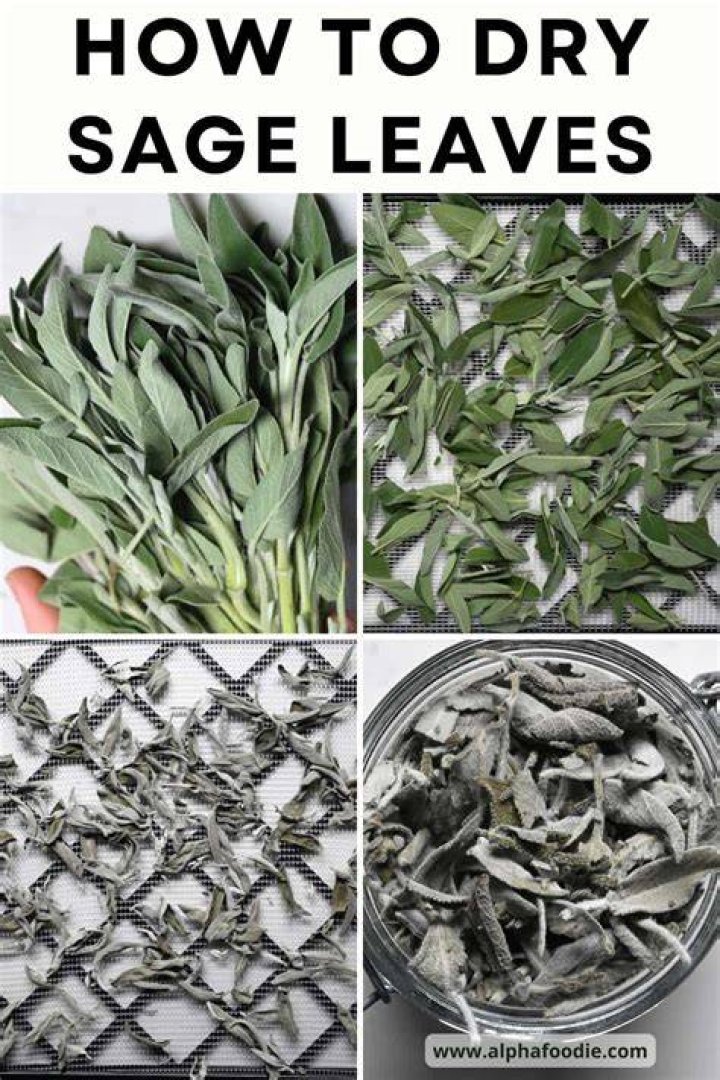
Sage is easy to air dry, making it the perfect herb for hang drying. If you want a quicker method, sage is also easy to dry in a food dehydrator or oven. After you dry the sage, store it in an airtight container.
What is the best way to dry sage leaves?
In the oven: Line a baking sheet with a piece of parchment paper and spread the sage leaves out in a single layer, working in batches if necessary. Place the sage in the oven on its lowest temperature, checking on it every fifteen minutes until it has dried completely.
How do I dry sage?
Using a sharp knife, slice the sage into thin strips. Place a nonstick baking mat, piece of parchment on an oven tray or use a non stick baking sheet. Spread the sliced sage leaves in an even layer on the tray. Bake in 15 minute increments checking for dryness and repeat baking until dry to the touch.
How do you dry and store fresh sage?
Dry it yourself. Hang bundles of sage to dry in an out-of-the-way spot, away from direct sunlight. You may also use a dehydrator on the lowest setting (it will be ready in about a day), or just dry in the oven on the lowest possible setting until evenly crisp.
What can you do with fresh sage leaves?
Frying a strong herb like sage mellows its flavor. Fried sage can be crumbled over a dish to heighten flavor at the last moment. Sage can also be used to add herbaceousness to sauces, compound butters, meat marinades, pastries, and breads. Add fresh sage leaves to cocktails and teas for an instant hit of herbal flavor.
Is sage better fresh or dried?
Dried sage is preferred over fresh by most cooks and comes in a whole leaf, rubbed, and ground form. Rubbed sage has a light, velvety texture, whereas ground sage is more of a free-flowing powder. … Use dried sage within six months for the best flavor.
How do you dry sage leaves at home?
- Place 1 paper towel flat on your plate.
- Lay out sage bundles in a single layer on the paper towel, then add another paper towel on top.
- Microwave for 30 seconds, then in 15 second increments. …
- After leaves are dry and crunchy, remove and discard stems.
Does fresh sage go bad?
SAGE – FRESH, RAW To maximize the shelf life of fresh sage in the refrigerator, wrap the sage in a damp paper towel and place in a plastic bag in the refrigerator. … Properly stored, fresh sage will usually keep well for about 10 to 14 days in the refrigerator.
How long does dried sage last?
Properly stored, dried sage leaves will generally stay at best quality for about 1 to 3 years. To maximize the shelf life of dried sage leaves purchased in bulk, and to better retain flavor and potency, store in containers with tight-fitting lids.
How do you harvest sage leaves?
Cut sage leaves at their base with a sharp pair of scissors to reduce accidental damage to the plant. You can also remove the leaves by gently pulling at the base of the leaf with your fingers, but you risk bruising the leaf. Harvest sage leaves in the early morning or late evening for the most flavor.
Article first time published on
What is the best way to preserve sage leaves?
To store, simply wrap the sage leaves in paper towels and put them in a plastic bag in the refrigerator. Make sure to use the leaves within four to five days. Fresh leaves that are covered in olive oil can be stored for much longer in the refrigerator, about three weeks.
How do I dry sage bundles?
How to Make a Sage Bundle. Take about 50 fresh sage leaves from a sage plant and bundle the leaves together with a piece of string. You can also add a few sprigs of rosemary, lavender, peppermint, and other herbs that you see fit to your bundle as you desire. Hang the herbs upside down to dry for about two weeks.
How long does it take for sage to dry?
How to dry your sage: Depending on the weather, the drying period for sage will be about one week. You also have to find a dry place to lay it out. For instance, if you lay it on the ground, it’ll soak up moisture…so you really want to look for an area that’s cool and dry.
Can you eat sage raw?
Sage is primarily used as a flavoring for fatty meats, sausages, beans and vegetables. The herb is rarely, if ever, used raw, because its aroma and flavor is best released when cooked (plus the herb is a little bit too pungent to be consumed raw). … Sage pairs excellently with pork and other rich meats, like game birds.
Can you burn dried sage?
Sage (Salvia) is used as a spice and also as a way to improve health in traditional medicine. … Dried sage is burned as a way to heal, protect, increase wisdom, and boost defense against disease. Verywell / Brianna Gilmartin. Some well-known species of sage include common sage, white sage, Spanish sage, and Chinese sage.
What is the difference between rubbed sage and dried sage?
Dried sage is usually sold ground or rubbed. Ground sage is made by grinding the entire leaf into a fine powder while rubbed sage is made by rubbing dried whole sage leaves to create a light and fluffy mix.
Should fresh sage be chopped?
Sage is best cooked. Raw fresh sage feels a little harsh on the tongue, both in texture and in flavor. If you use it raw, say in a spread, use only small, tender leaves and chop them finely.
What can I do with dried sage?
- Sprinkle as a garnish on soups.
- Mix into a stuffing in roast. …
- Combine chopped leaves with butter to make sage butter.
- Add chopped leaves to tomato.
How long should you burn sage for?
Hold the sage at a 45-degree angle, light the sage, let it burn for about 20 seconds and then gently blow out the flame so that you see orange embers on one end. Then you can start the process of clearing your space. Clients sometimes complain that they can’t get their sage to stay lit.
Is dried sage fuzzy?
Sage is an evergreen shrub part of the mint family. It has oval, dusty gray-green leaves with woody stems. Because of the fine, velveteen hair-like projections on sage leaves, they have a slightly fuzzy or fluffy appearance and cottony texture, which can make it unpleasant to eat raw.
How do you dry herbs naturally?
Drying is the easiest method of preserving herbs. Simply expose the leaves, flowers or seeds to warm, dry air. Leave the herbs in a well ventilated area until the moisture evaporates. Sun drying is not recommended because the herbs can lose flavor and color.
How do you dry sage leaves for tea?
Drying Sage Leaves Or remove leaves from the stems and dry on a baking sheet turning every couple of days. As long as there is good air circulation, the leaves will dry nicely over time for use when you are ready.
Does sage come back every year?
A majority of herbs are perennials throughout most of the United States. That means they come back year after year and usually get bigger or spread in territory each year. Some of our most-used cooking herbs are perennials, including sage, oregano and thyme.
Can you dehydrate sage?
You can dry herbs with a dehydrator or microwave, or air drying works for hardy herbs such as sage, thyme, rosemary, summer savory and parsley. It’s important to keep the temperature below 100 degrees because high temperatures cause flavor loss.
How do you dry sage and rosemary?
Put them in a paper bag with holes punched in it (use a hole punch, fork, or whatever you have. This keeps them from getting moldy). Hang them upside down in a cool area until they are dry. Like a closet or a pantry.
How do you smudge sage?
How to smudge. When smudging, light one end of your sage bundle with a match (not a human-made lighter). Blow out the flame, and let the end continue to burn. Fan the smoke into the corners with a feather as you move around the space.
Is sage poisonous to humans?
Some species of sage, such as common sage (Salvia officinalis), contain a chemical called thujone. Thujone can be poisonous if you get enough. This chemical can cause seizures and damage to the liver and nervous systems.
Is sage good for immune system?
Immune Function Anti-inflammatory properties of sage tea help to reduce swelling and irritation in the throat that can cause a scratchy or sore throat. The tea also has antiviral and antibacterial properties that can fight off pathogens that make you sick.
What are the side effects of sage?
Possible Side Effects If consumed in excess, sage can trigger potentially serious side effects, including restlessness, vomiting, dizziness, rapid heart rate, tremors, seizures, and kidney damage. Sage essential oil is especially toxic, causing adverse symptoms with as few as 12 drops.