Is mold on a tree bad
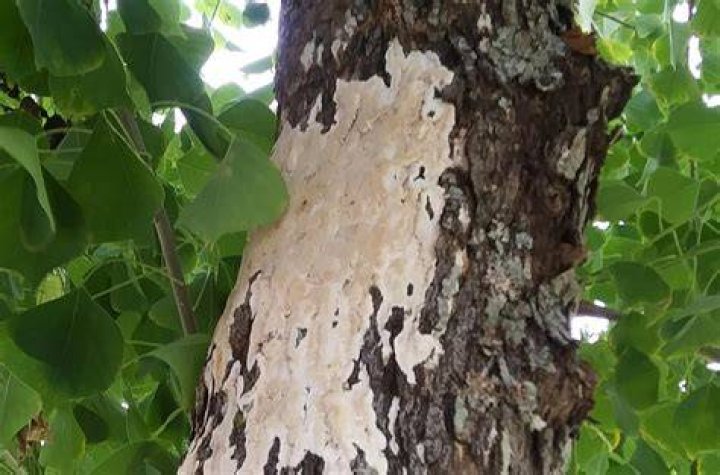
Frequently, tree limbs and leaves are covered by an unsightly, black, sooty growth called sooty mold. It may occur on any tree, shrub, or leafy plant. … It is not a disease and does not infect living plant tissue. Heavy growth by the fungus can reduce photosynthesis but does not harm the plant in any other way.
Is black fungus on trees harmful to humans?
If left unchecked, it can stunt or even kill the tree. Black knot fungus has caused untold amounts of damage to trees around North America. Besides killing beloved backyard trees, it can seriously harm the livelihood of people who grow fruit trees.
How do you get rid of tree fungus naturally?
Make a typical baking soda spray by dissolving 1 teaspoon of baking soda into one quart of water. You can add a few drops of insecticidal soap or liquid soap to help the solution spread and stick to the leaves. Only use liquid soap, like Ivory, and not laundry detergent.
How do you get rid of mold in a tree trunk?
Copper-sulfate sprayed on lichens on treeswill kill the fungus side of the organism. Only use copper-sulfate as a treatment for tree lichen in late spring through early fall. It will not be effective in cool weather. You can also remove tree lichen with lime sulfur.
Is Saprophytic fungi harmful to humans?
Most fungi are saprophytic and not pathogenic to plants, animals and humans. … Taken together, these relative few fungi can cause huge economic losses to agriculture, loss of food for consumption, and serious, often fatal diseases in humans and animals.
Why is mold growing on my tree?
Mold grows on the sugary excretions of certain insects, such as aphids. Generally, these insects excrete this substance on the leaves of trees. However, the substance can drip down onto the bark of the tree as well, allowing mold to grow on the tree’s outer skin.
Why does my tree have mold?
Answer: You are probably describing sooty mold fungus. This is a minor fungus that grows on the syrupy excretions of some insects that feed on trees. The fungus does little physical damage to the tree unless it is so severe that leaves coated with sooty mold cannot photosynthesize and create food for the tree.
Is black knot fungus poisonous to humans?
Black knot fungus is a common fungal disease that affects Prunus trees. The disease is identifiable by hard, swollen black gulls that look like tumors that form on tree branches and trunks. Black knot disease is not harmful to humans.
What type of mold grows on trees?
Lichens are commonly found on trees and are frequently misinterpreted as being a sign of decay within the tree. Unlike the fungi that feed off of a tree’s decaying body, the rhizines (multicellular root-like structures) of lichen only serve to anchor its body to the tree, rarely penetrating the bark completely.
How do you protect a tree with a black knot?
Prune and destroy the infected branches before the tree buds. Try to prune at least 5 to 10 cm below each knot. This helps contain fungus that grows beyond the knot itself. If you can’t remove major limbs, cut the knot down to healthy wood for at least 1.27 cm beyond the knot.
Article first time published on
What is the black stuff that grows on trees?
What is this black fungus on my tree trunk or branch? It’s likely black knot, which is a fungal disease that most frequently attacks plum and cherry trees. In spring, a velvet-like green appears on branches. It gradually grows and becomes hard and black by fall, which is usually when you’ll spot it.
Should you remove lichen from trees?
There’s absolutely no need to remove lichen from a tree. In fact, removing it can do more harm than good. You may injure the bark by trying to remove the lichen, ultimately causing damage to the tree and providing entryways for diseases and pests.
Can a tree with fungus be saved?
It is difficult if not impossible to save a tree that has been attacked by fungi. Prevention is the key as a healthy tree is less likely to become a host for the fungi. The methods for keeping a tree healthy include watering during drought periods and following a maintenance fertilization schedule.
Will bleach hurt trees?
Bleach will harm any tree and plant foliage it is applied to. This means the leaves of a tree sprayed with bleach will turn brown and drop off. … Bleach is not a systemic tree killer, so it doesn’t infiltrate the tree’s system and kill down to the roots. This means that bleach does not make for an effective stump killer.
Is Vinegar a fungicide?
To make a fungicide out of this, take one tablespoon of vinegar and mix it with a gallon of water. … Vinegar mixture can treat most fungal infections on any plant, without causing any harm. Also, if you see any black spots on roses or aspen trees, then use this spray.
Is baking soda a good fungicide?
Baking soda, or sodium bicarbonate, has been touted as an effective and safe fungicide on the treatment of powdery mildew and several other fungal diseases. … Baking soda as a fungicide does appear to diminish the effects of fungal diseases on common ornamental and vegetable plants.
Can Apple cider vinegar be used as a fungicide?
Apple cider vinegar: This one has multiple uses in the garden. First, you can dilute it with water and use as a fungicide to control black spot. It also helps slightly reduce the pH of our alkaline soil. Lowering the pH helps make iron more available to the plants.
Is white mold on soil bad?
A white mold growing over the surface of houseplant potting soil is usually a harmless saprophytic fungus. … Overwatering the plant, poor drainage, and old or contaminated potting soil encourage saprophytic fungus, which feeds on the decaying organic matter in soggy soil.
What is the world's deadliest fungus?
The world’s most poisonous mushroom, Amanita phalloides, is growing in BC. ABSTRACT: Amatoxins in Amanita phalloides, commonly known as the death cap mushroom, are responsible for 90% of the world’s mushroom-related fatalities.
What are examples of harmful fungi?
- Death Cap (Amanita phalloides) death cap mushroom. …
- Conocybe filaris. Conocybe filaris. …
- Webcaps (Cortinarius species) …
- Autumn Skullcap (Galerina marginata) …
- Destroying Angels (Amanita species) …
- Podostroma cornu-damae. …
- Deadly Dapperling (Lepiota brunneoincarnata)
How do you treat mold on trees?
The mold itself is difficult to remove, but you can hasten the rate at which it naturally weathers off. Spraying the leaves with insecticidal soap can help soften the sooty coating. Spray late in the day so the soap remains moist for as long as possible.
What is the white stuff on my tree bark?
White Flux or Alcoholic flux, is a stress-related disease that affects sweet gum, oak, elm and willow trees. The disease is caused by a microorganism that ferments the sap that seeps or bleeds from cracks and wounds in the bark. The result is a white, frothy ooze that has a fermenting odor similar to beer.
What is the white fuzzy stuff on my tree?
If you have discovered a tree with a fluffy, white, cottony-looking growth on it, it’s probably a colony of woolly aphids. Woolly aphids get their name from the fluffy, wax-like substance which covers their bodies and serves as a deterrent to other predators.
What's the green stuff that grows on trees?
That green stuff is most likely algae, lichens or moss. They tend to grow on the trunks and stems of both trees and shrubs; however, for the most part it’s nothing to be worried about. Their growth results in humid and damp conditions, although they can also grow due to poor plant vigor.
How do I know if my tree has fungus?
Many wood decay fungi can be identified by the distinctive shape, color, and texture of the fruiting bodies they form on trees. These fruiting bodies take several forms, depending upon the fungus that produces them, but most of them fit into categories commonly referred to as mushrooms, brackets or conks.
When should you cut down a tree with a black knot?
Knots should be pruned in late winter or early spring before growth starts. It is important to prune at least 2-4 inches below each knot because the fungus grows beyond the edge of the knot itself. Pruning tools should be sterilized between cuts.
Can trees get black mold?
Sooty mold sounds like a problem that might afflict a fireplace, furnace or chimney, but it is actually a common fungus on trees, shrubs and flowers. This black or dark gray coating does little harm to the plant but it is unsightly and distracting, dampening the beauty of your landscape.
What is the black stuff on my tree trunk?
That “black stuff” is the result of a bacterial infection called Wetwood or Slime Flux. These particular bacteria thrive in anaerobic (low oxygen) conditions present in the dense interior hardwood. As the anaerobic bacteria ferment and release carbon dioxide, it creates pressure forcing liquid from woods in the trunk.
Can a tree survive black knot?
Hard swollen black galls (tumor like growths) form on branches and occasionally on trunks. Many Prunus trees tolerate black knot. Tolerant trees have many galls throughout the tree with few negative effects on the health of the tree. Some Prunus trees are more severely affected by black knot.
What kills black knot fungus?
A dormant spray of lime sulfur may be helpful when pruning heavily infected trees. Fungicides which have been effective against black knot should be generally applied at bud break and every week to two weeks, especially before rain, until terminal growth stops.
How do you get rid of black rot on trees?
- Cut away branches and stems that have any signs of the disease. If you notice black growths on your plum or cherry trees the first thing you have to do is amputate the infected areas. …
- Burn or bury the cut-off branches/stems. …
- Use an appropriate fungicide.